
Cosmetic tattooing is a great way to enhance your natural features like eyebrows, lips and eyes. If you are considering a cosmetic tattoo, one of the biggest questions is around pain. Knowing what to expect with pain and how skin type, tattoo pigment and numbing cream will affect the experience is key to making an informed decision. This will take you through the different procedures, what to expect with discomfort and how to do aftercare to ensure a smooth healing.
Types of Cosmetic Tattoo Procedures and Pain Levels
Different cosmetic tattooing procedures like eyebrow tattoo, lip tattooing and eyeliner tattoos have different pain levels due to the sensitivity of the skin in those areas. Here’s a breakdown:
Eyebrow Tattoos (Powder Brow & Feather Touch Brows)
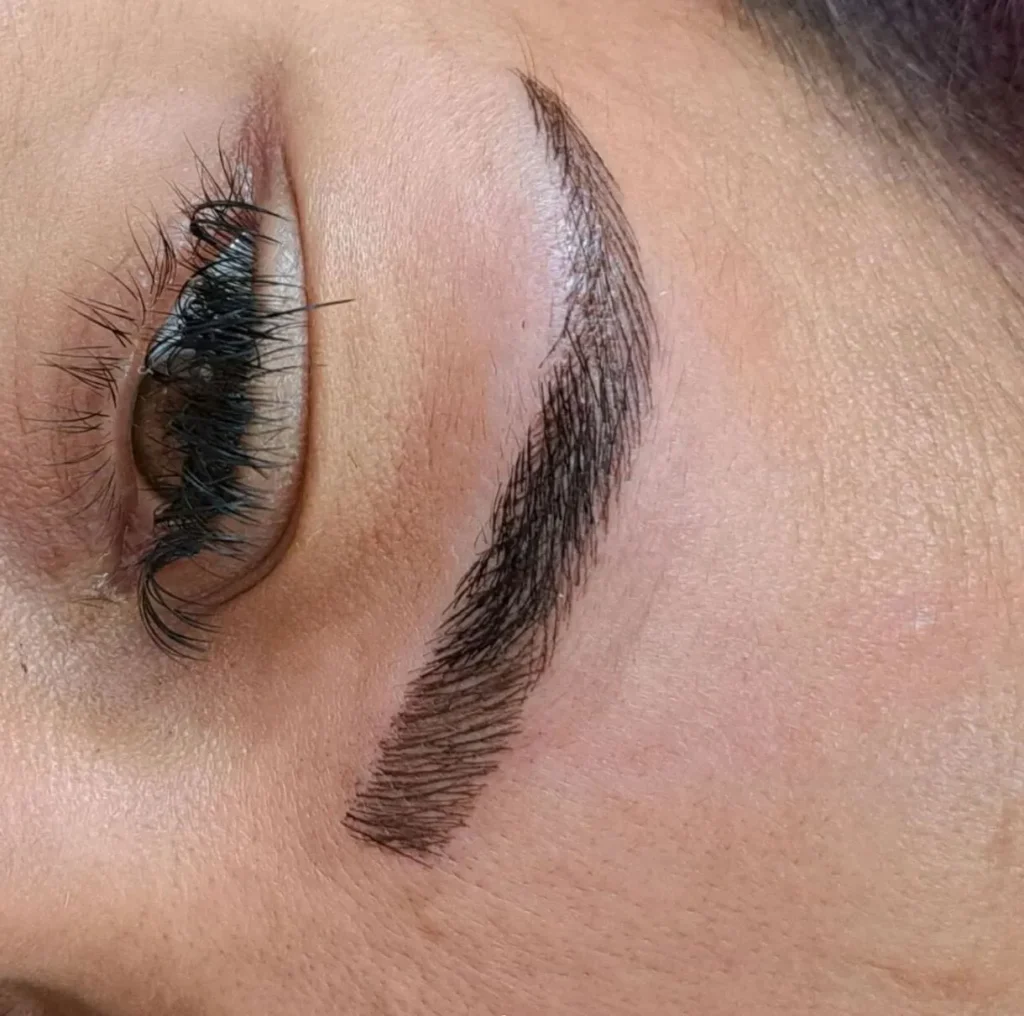
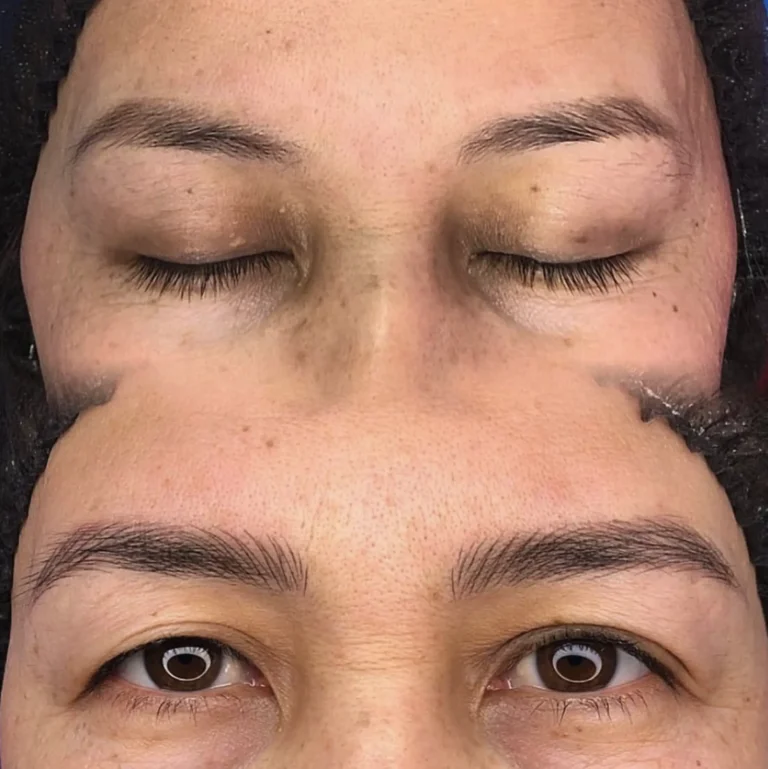
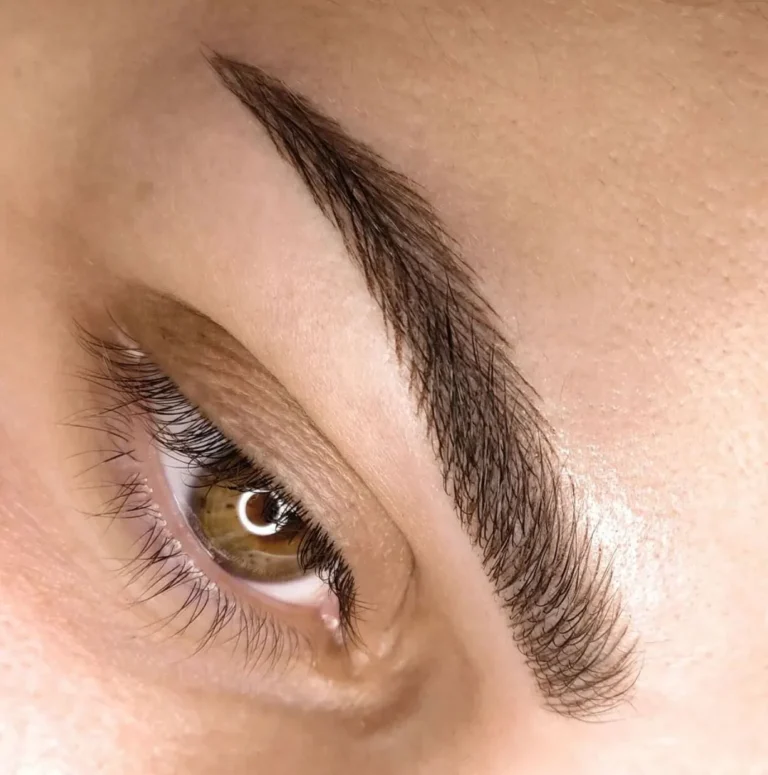
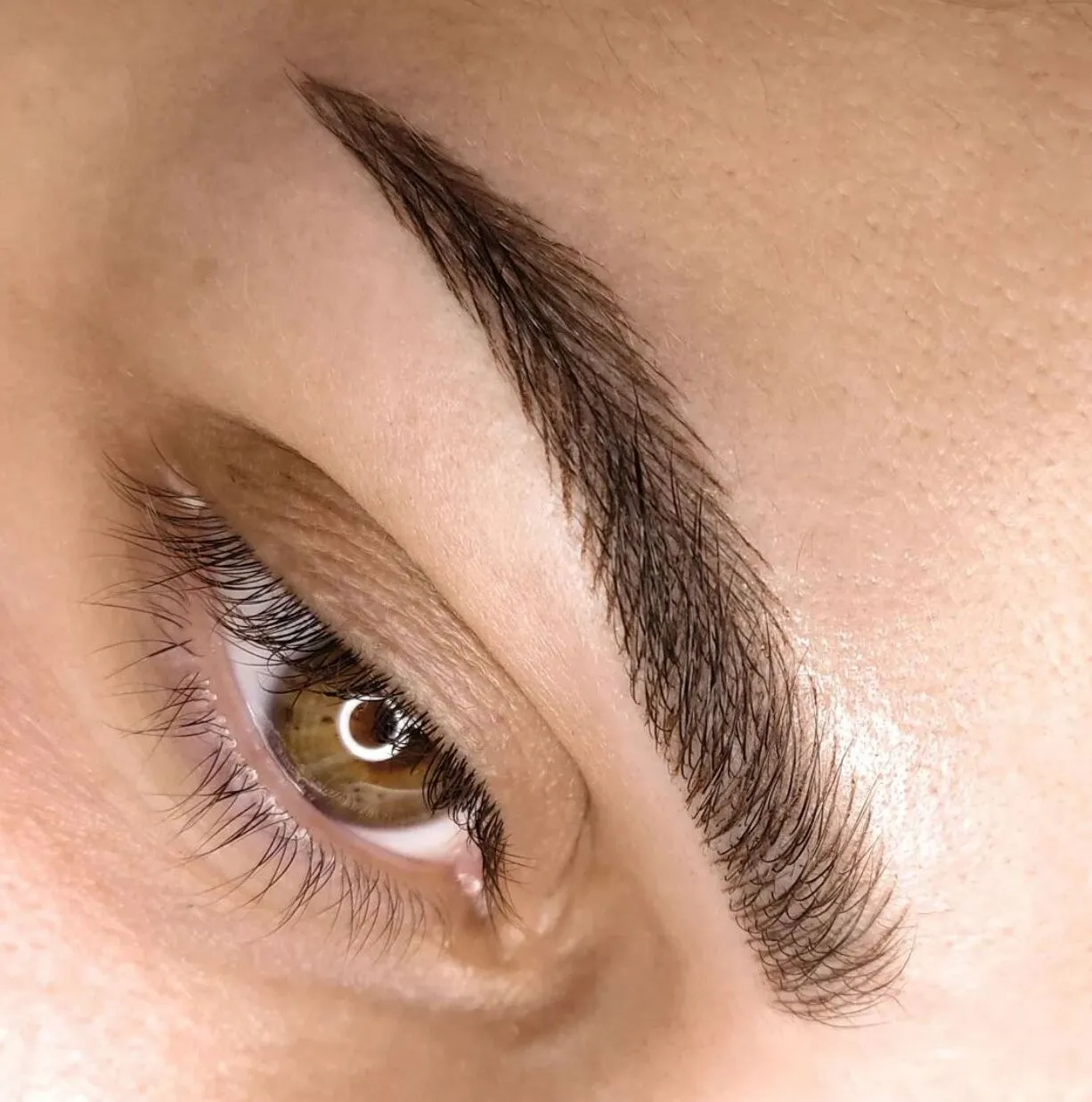
Eyebrow tattoos including Powder Brow, Feather Touch Brows (also known as hair-like strokes) and Combination Brows are one of the most popular cosmetic tattoo procedures. The pain level for eyebrow tattoos is low to moderate. The skin around the eyebrow area is not too sensitive so most people can manage the pain. Numbing cream is applied before the tattooing starts so pain is minimal.
Clients with oily skin types may feel a bit more discomfort as the pigment doesn’t settle as easily and may require more passes with the tattooing needle. Clients with dry skin types may find it gentler but need to take extra care during the healing period to prevent uneven healing and pigment loss.
Lip Tattooing Pain Level


Lip tattoos including lip blushing and lip liner tattoo are considered more painful due to the sensitivity of the lips. The lips have many nerve endings which can make this procedure feel more intense. However an anaesthetic cream is applied before and most clients report that while it’s uncomfortable it’s not unbearable. The sensation during lip tattooing is often described as tingling, pinching or mild stinging. If you get cold sores, it’s best to consult with a doctor before getting the procedure as the tattooing process can trigger an outbreak. Following the aftercare routine is key to minimize discomfort and promote healing. Healing time for lip tattoos can vary but the initial healing period is around 4-6 weeks.
Eyeliner Tattoo Pain
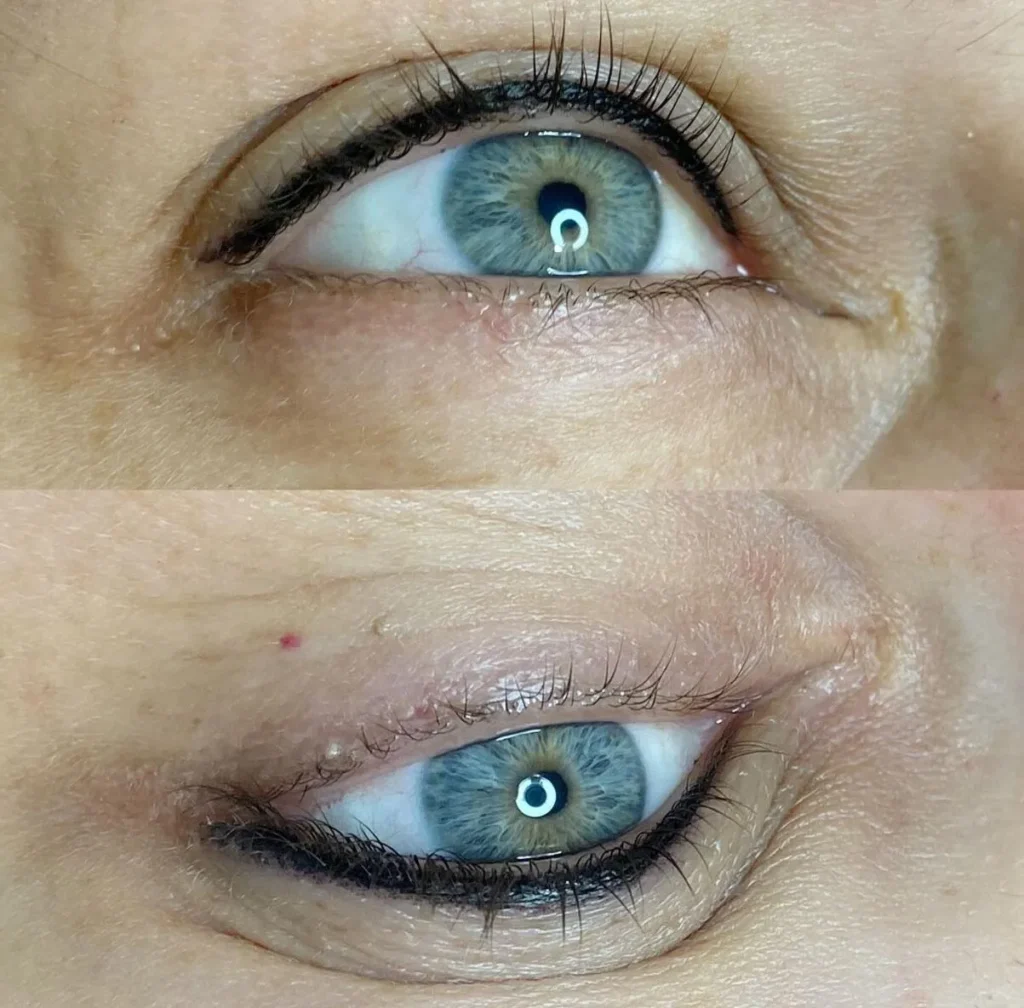

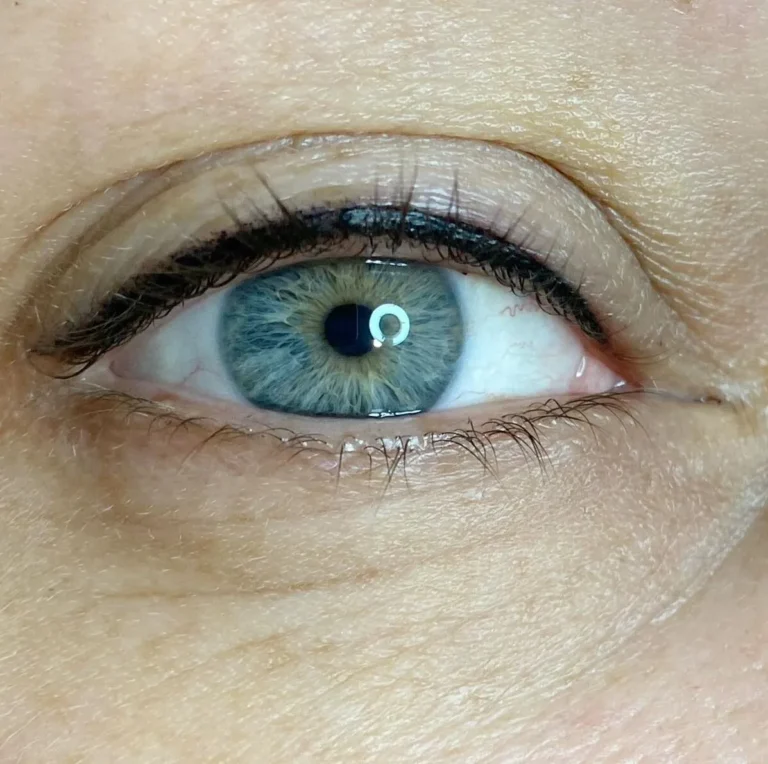
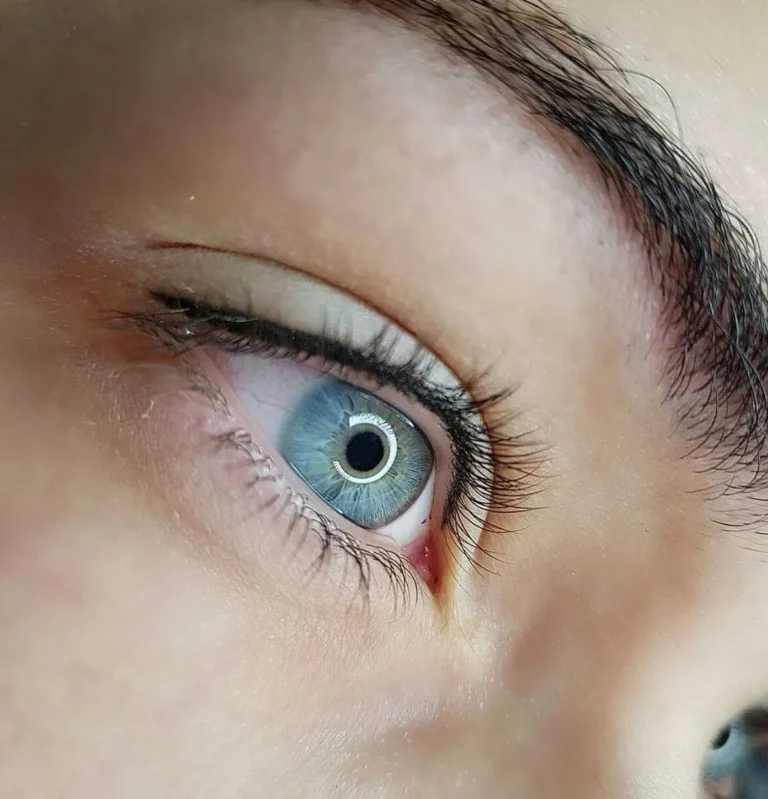
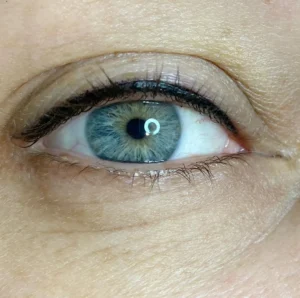
Eyeliner tattoos can be more painful for some clients especially since the skin around the eyes is thin and sensitive. Many describe the pain as a mild scratching or tickling sensation. Numbing solutions are applied to make the process more comfortable but the discomfort can vary from person to person. Clients with sensitive skin or skin conditions may feel more discomfort while others may find it manageable. Eyeliner tattoos are often compared to eyebrow tattoos in terms of pain but the delicate eye area can make it more uncomfortable for some. Proper care after the procedure is key to avoiding irritation and even healing. Clients are advised to avoid excessive sun exposure, sweating and using makeup products around the eyes during the healing process.
Pain Factors
Several factors can affect how much pain or discomfort you will feel during a cosmetic tattoo procedure. Knowing these factors can help you prepare and manage the experience better.
Skin Type and Skin Sensitivities
Your skin type plays a big role in how much pain you will feel. Oily skin types may feel the process slightly more uncomfortable since the skin is more resistant to absorbing the tattoo pigment. Dry skin types can be more sensitive especially if the skin lacks natural hydration and is prone to irritation. Sensitive skin types or those with skin conditions like eczema or rosacea may also feel more discomfort during the procedure. Inform your cosmetic tattoo artist about any skin sensitivities or conditions during your initial consultation so they can adjust their approach and aftercare recommendations accordingly.
Pain Threshold and Pain Tolerance
Everyone has different pain threshold and tolerance. Some people can handle pain very well while others may find even minor procedures uncomfortable. Your menstrual cycle, lifestyle (diet and stress) and personal pain tolerance will determine how much discomfort you will feel. For example those with low pain threshold may find procedures like lip tattooing or eyeliner tattoos more uncomfortable than others. Staying relaxed and calm during the procedure can help reduce the feeling of pain. If you have low pain threshold you may want to discuss options like stronger anaesthetic creams or taking breaks during the procedure.
Numbing Cream and Anaesthetic
One of the best ways to minimize discomfort during cosmetic tattoo procedures is through the use of numbing cream or anaesthetic. These are applied to the area before tattooing starts to desensitize the skin and reduce pain. Numbing creams are very effective but their potency can vary depending on the skin type and procedure. For sensitive areas like the lips or eyes stronger anaesthetic may be used. Always make sure your cosmetic tattoo artist uses high quality numbing solutions to make you more comfortable during the session.
The Cosmetic Tattoo Artist
The skill of the cosmetic tattoo artist also plays a big role in pain. A good artist knows how to work with different skin types and can adjust the pressure and speed of the tattoo needle to make it more comfortable. An experienced artist can also do fewer passes to deposit the tattoo pigment so overall discomfort is reduced. When booking your appointment make sure to choose a certified professional with lots of experience in cosmetic tattooing so you get the best results and a more comfortable experience.
How to Reduce Pain During Cosmetic Tattooing
Aftercare
Following aftercare instructions is key to reducing discomfort after the procedure. Aftercare ointments and healing ointments should be used as directed to avoid irritation. Avoid direct sun exposure, excessive sweating and tanning beds during the healing period as they can increase pain and hinder the healing process.
Choosing the Right Numbing Solutions
Talk to your artist about the best numbing solution for your skin type. For sensitive skin some numbing creams work better than others so worth discussing during your consultation appointment.
Avoid Caffeine and Alcohol
Avoid having caffeine and alcohol before your procedure as they can thin the blood and make the skin more sensitive. Blood thinners whether from medication or lifestyle can also increase discomfort during the tattooing process.
Healing Time and Pain Management
Pain doesn’t just happen during the procedure; the healing process can also bring some discomfort. The initial healing period is 4-6 weeks where you may experience mild irritation or swelling. Using a mild, fragrance free cleanser and proper aftercare cream will help soothe the skin and speed up healing.
Common Myths About Pain in Cosmetic Tattooing
Myth: “Cosmetic tattooing is as painful as traditional tattoos.”
Cosmetic tattooing is less painful than traditional tattoos because it only goes into the upper layers of the skin, not as deep as traditional tattooing.
Myth: “Lip tattoos are excruciatingly painful.”
Lip tattoos can be uncomfortable but numbing creams and proper care reduces the discomfort. If you get cold sores you can consult a doctor before the procedure to prevent outbreaks.
Conclusion
Knowing the pain levels in cosmetic tattooing and what to expect will help you feel more at ease before booking your appointment. Choosing a skilled artist, using the right numbing solutions and following aftercare instructions will make your cosmetic tattoo experience comfortable. Always ask your artist during the consultation for advice specific to your skin type and procedure.
FAQs
How long does the pain last after?
It usually subsides within a few hours to a couple of days but healing time can take 4-8 weeks depending on the procedure and aftercare.
Can I get more numbing cream if it hurts too much?
Yes, most artists will apply more numbing cream or solutions if you’re feeling uncomfortable during the session.
How does my skin type affect the pain?
Oily skin types may feel more discomfort, dry skin can be more sensitive. Each skin type reacts differently to the tattoo pigment and healing process.
Are there any risks with numbing solutions?
Numbing solutions are safe but can cause mild skin reactions in sensitive people. Talk to your artist about any skin conditions or allergies before hand.
What aftercare products should I use to reduce discomfort?
Mild, fragrance free cleanser, healing ointment and aftercare cream will help with pain and healing.